The more I have worked with the digital, the more I have become fascinated with the material. I say material, as I treat the digital tools I use as a material, no different as if I was using a paintbrush or when I’m using the screen-printing table. I have been working more digitally because of the physical conditions I suffer which effect the dexterity in my hands. When I’m working in this way, I consider how I am positioned in the physical world, however, I’m looking through a glass screen, operating on a digital compass. I’m interacting through my body, still using a keyboard, aware of my fingertips on the track pad, I’m engaged, my eyes are the physical senses and this I find fascinating. I see the digital as an extension of my body, I don’t feel like I’m losing physicality working in this way. I contemplate that our bodies must be extended in the digital world so therefore does perception also get extended.? I’m interested in this notion of the extension as the word extension still requires retention of the physical body, Merleau-Ponty describes this extension in his example of a blind man an extension of the man’s sense of touch through his walking stick or using tools. In a digital world the experience we receive will be greatly influence by the bodily dimension. I feel right now, our information age and digital interactivity are still human body driven. Phenomenology theoretically explores the human experience. A Technology without a conscience and/or a body would not find phenomenology useful or find experienced important/necessary.
        When I have been working on this notion between the digital and physical, a simple Google search for ‘does the digital have a physical body’ brought up an interesting article on the University of Oxfordshire’s website. The heading was ‘digital remains should be treated like physical ones’, this strapline really got me thinking and again that relation between the digital and physical, this notion that information in the digital world should be treated like physical objects. It makes me consider how things manifest themselves in a digital world but also how they may manifest in a physical realm. I’m always mindful that the work I’m producing digitally will then have to be produced physically, by printing or replicated even further by photocopying. I’m drawn by this exchange between the digital and physical, replicating what is digital and something physical it fits perfectly into the realm.
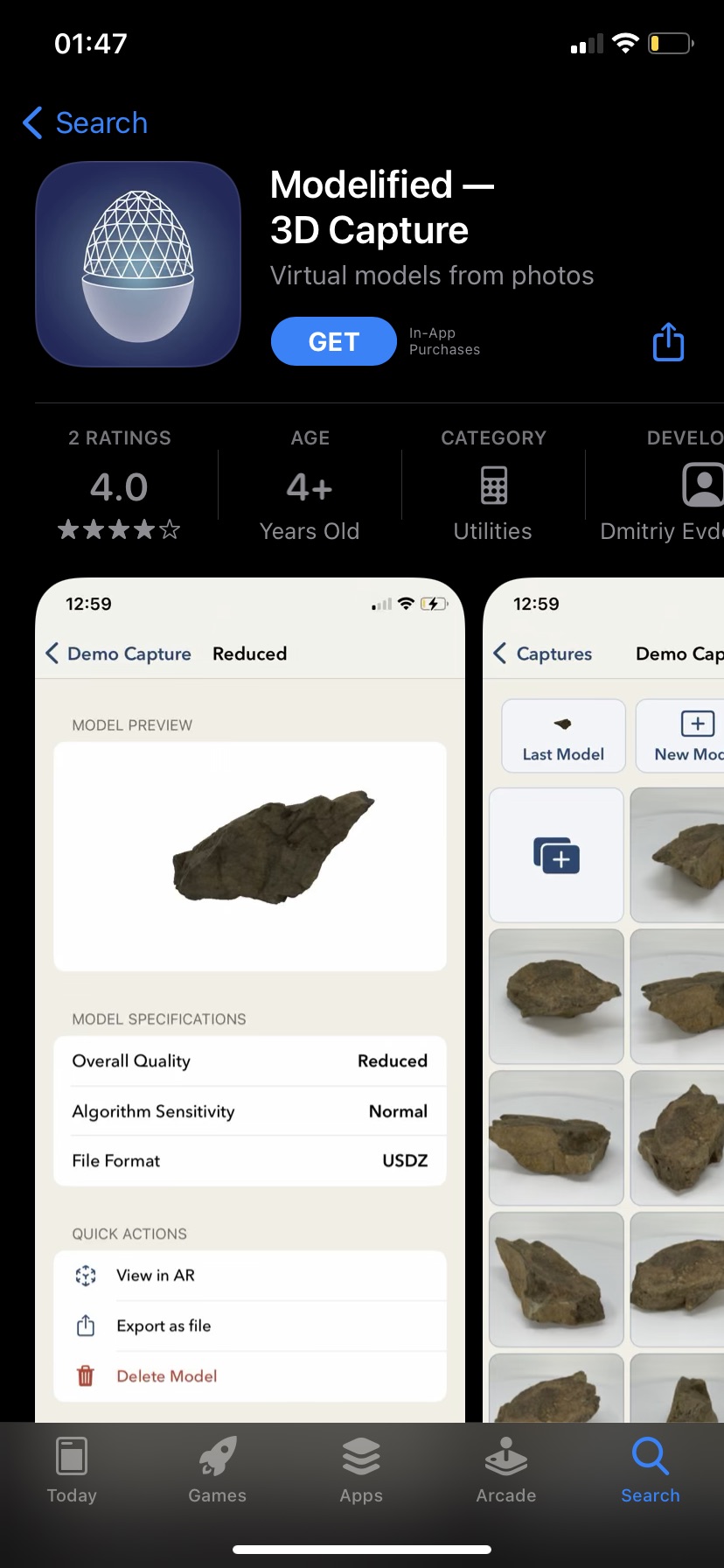
        The discussion of this article is considering remains and therefore something that has passed. The commentary highlights the International Council of Museums Code of Professional Ethics, where the document states explicitly that human dignity requires that digital remains be seen as the informational corpses of the deceased and regarded as having inherent value. I found this fascinating where objects have gone through a process of being digitised for public consumption, especially during the pandemic. Galleries and museums were shifting exhibits online and this process will continue as we consume more in the online work, such as the creation of the metaverse. This ultimately makes me reflect on how my work can be displayed, does anything have to be printed can the use of the digital screen be used as a canvas? I also start to think of other technologies that can be worked into my practice; searching through the App Store there are a multitude of scanning applications. Could I start to use these to scan physical objects and then manipulate them digitally; can flat objects be scanned to then be re-worked into something three-dimensional? Reflecting all the way back when I first entered the London Met studio space and went about taking rubbings of the walls and floors, could these architectural elements be scanned and combined to crafts digital environments?

 Marco Carofalo ART
Leave a comment