Continuing to build on my influence of the studio space, I wanted to take my folded prints and frottage of the space further. The fixture and fittings have sculptural qualities in themselves and have the linear elements I am being drawn to in my work. I therefore wanted to take a print of the radiator and create a three dimensional sculptural piece that could be presented in my group critique.
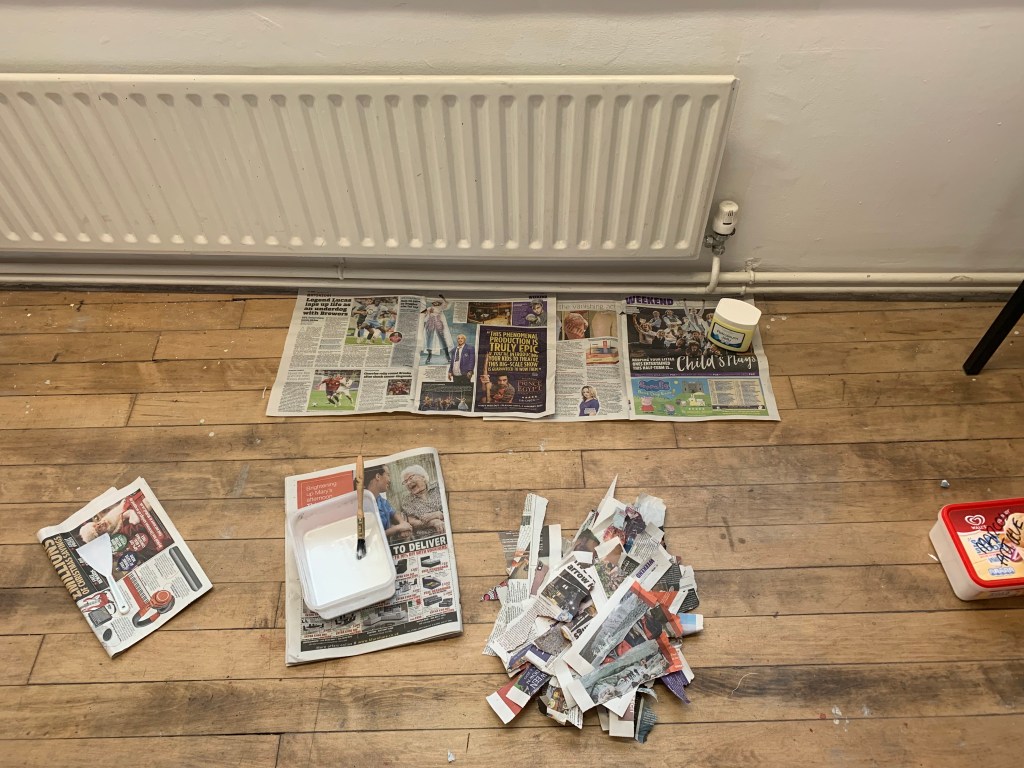
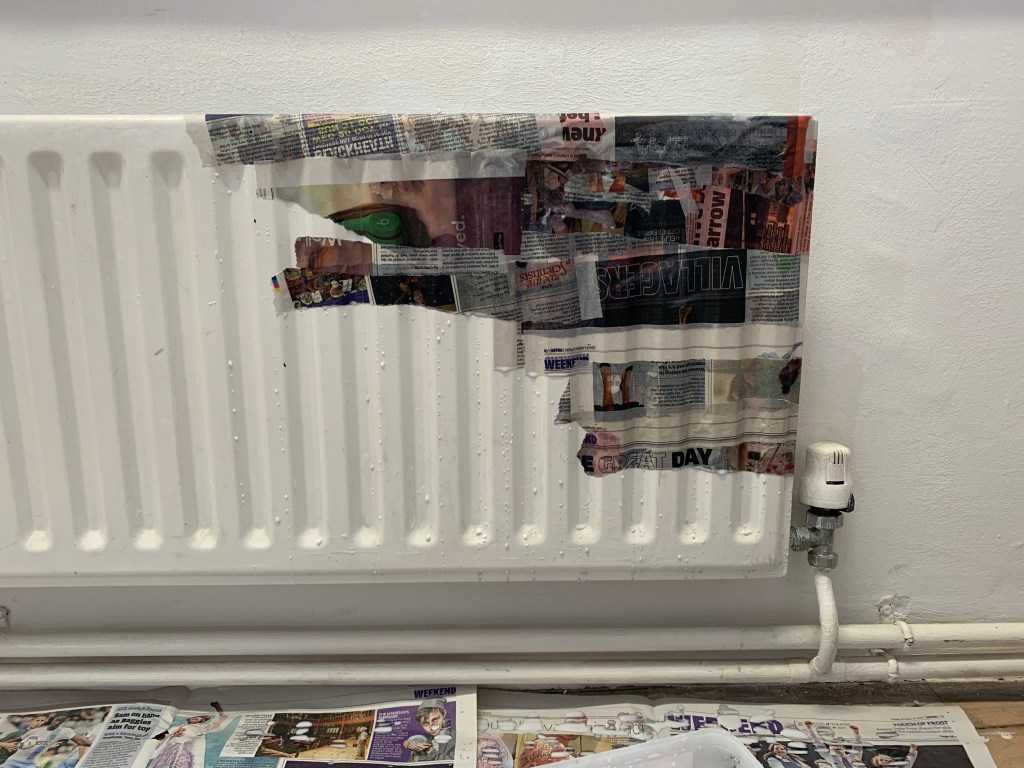
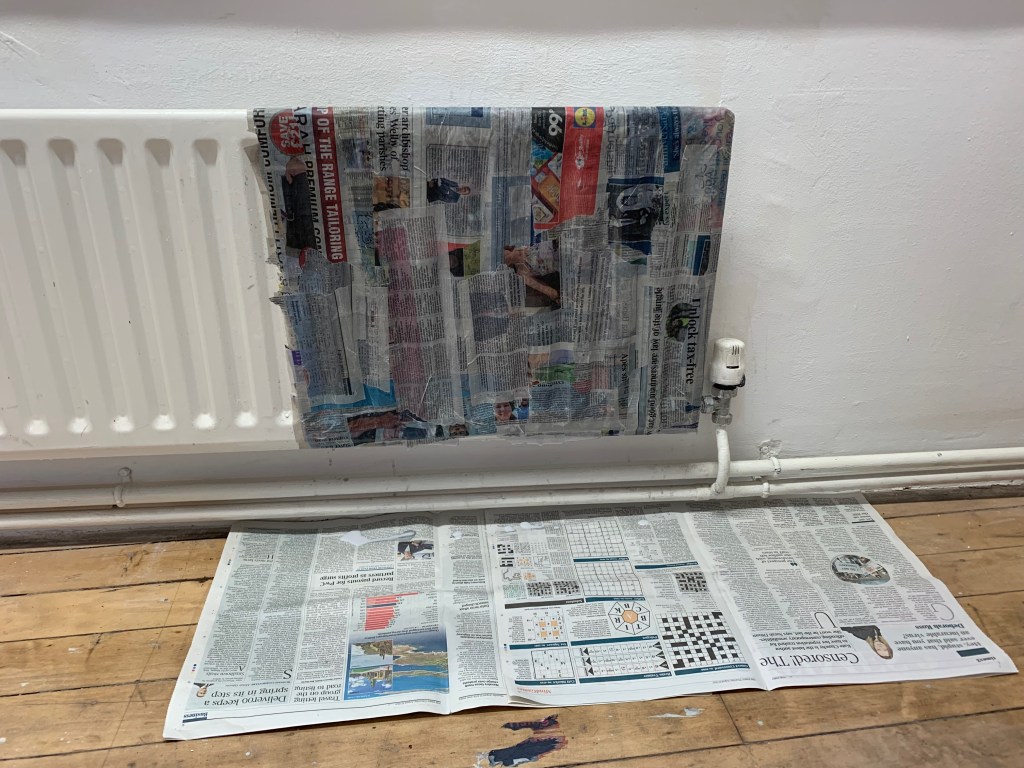
Applying papier-mâché to radiator Leaving papier-máché to dry
I ensured the radiator was switched off prior to applying the papier-máché to the greased radiator. I applied a number of layers to ensure the cast would be robust enough and pushed the pva covered paper strips into the recesses of the radiator.
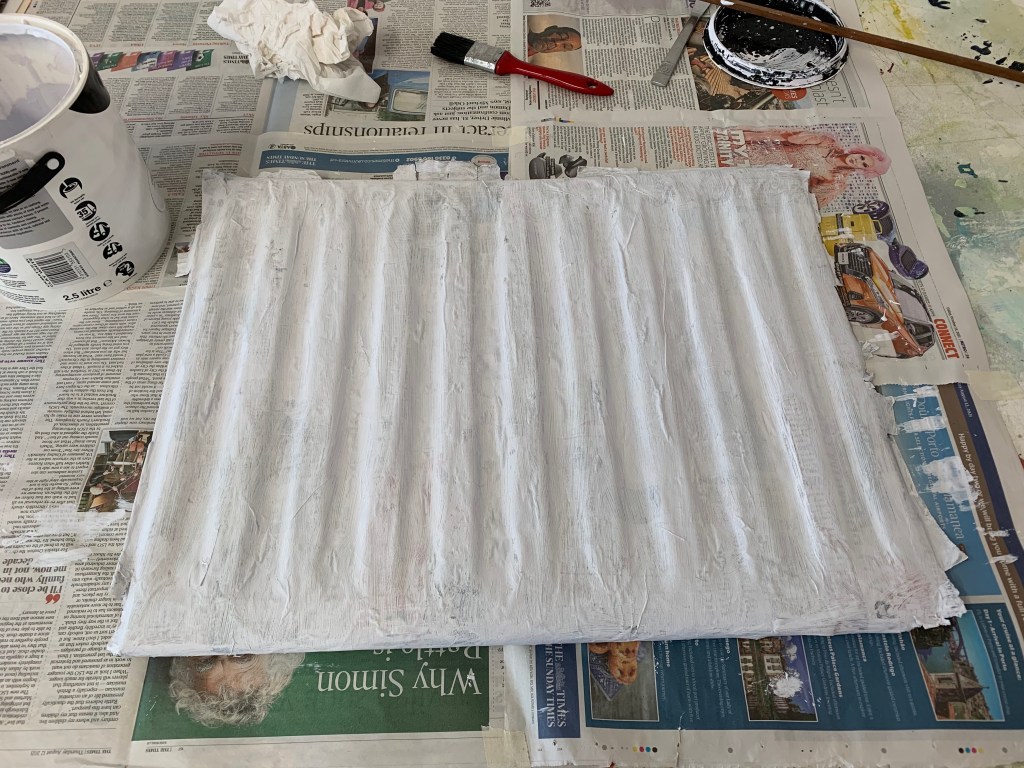
Painted print of the radiator
My intention was to have the cast print displayed on the floor for my crit which would be in proximity to the physical radiator. I would also look to make another folded print responding to the radiator cast, by folding the same number of times there are channels in the surface of the cast radiator. I painted the material using household paint which I felt related further to the domestic nature of the original object. This cast print reminded me of an emboss and thus had a further link to that of printmaking. For me, I can observe the interaction between the surfaces of the donor object and to that of the material that is applied to the surface, much like soaked paper being placed over an etching plate.
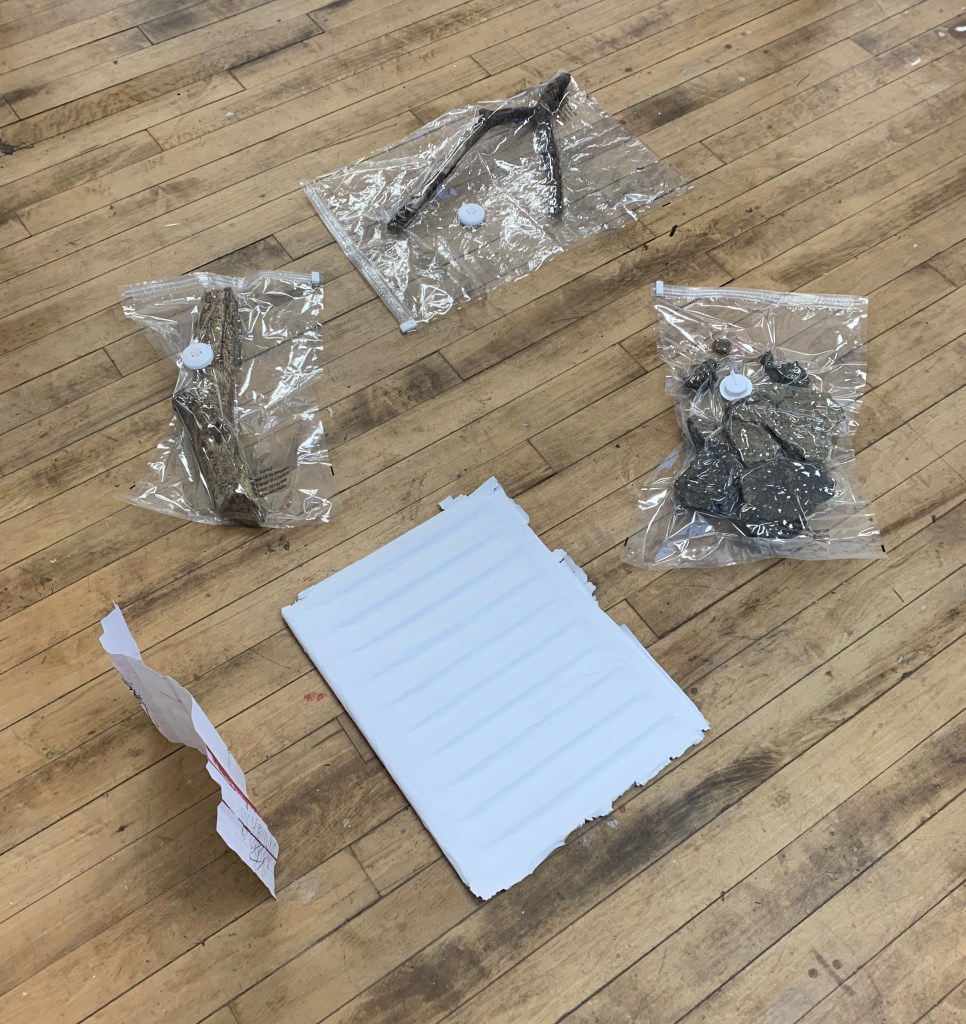
Finished radiator print displayed with other prints
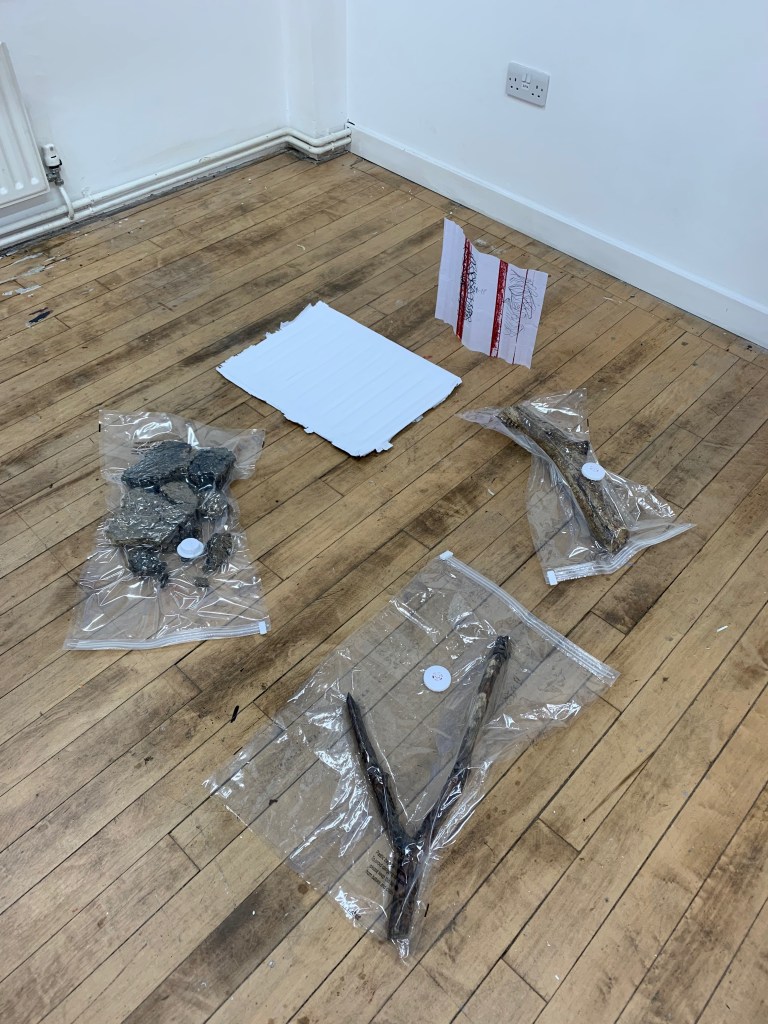
The initial thing you will notice when viewing the above image is that I refer to the display as prints, my interpretation of the process questions what a print can be and I feel the above demonstrates this perfectly. The element of replication is there, whether I'm attempting to echo the form of the radiator to the vacuum packed branches and rubble. The process may be replicated but the notion of an edition or a perfect copy of the original....or multiple clones that are all viewed as original are not what I am exploring in my practice. I am very much interested in the uniqueness and elements that I can pick out and develop further.
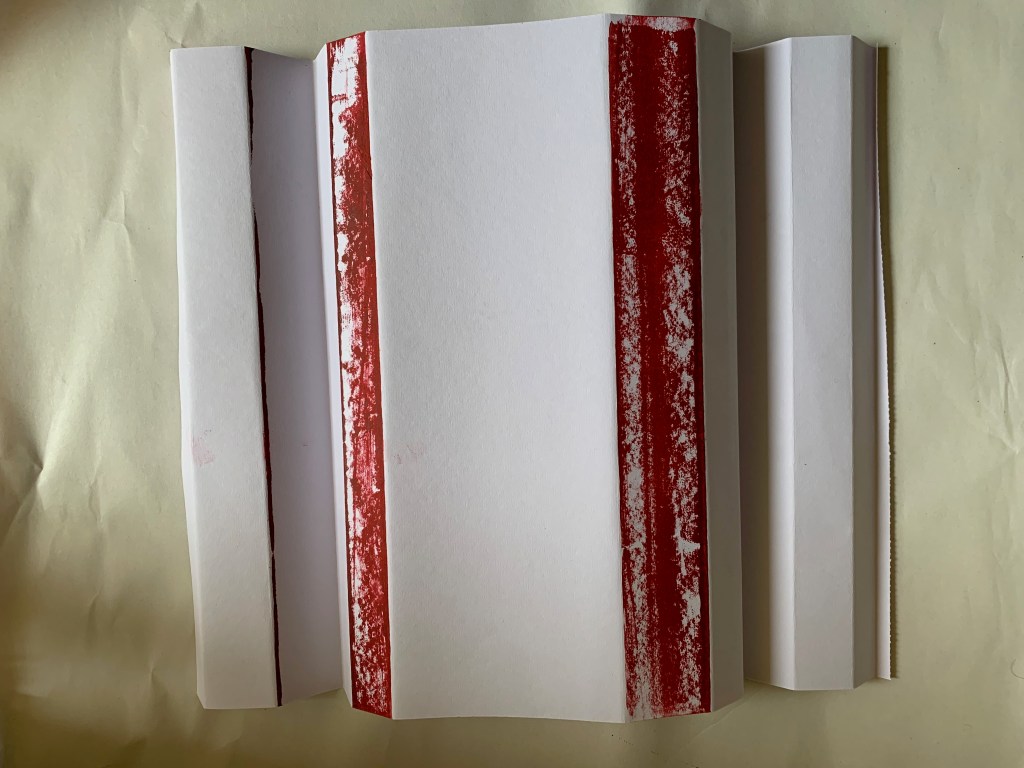
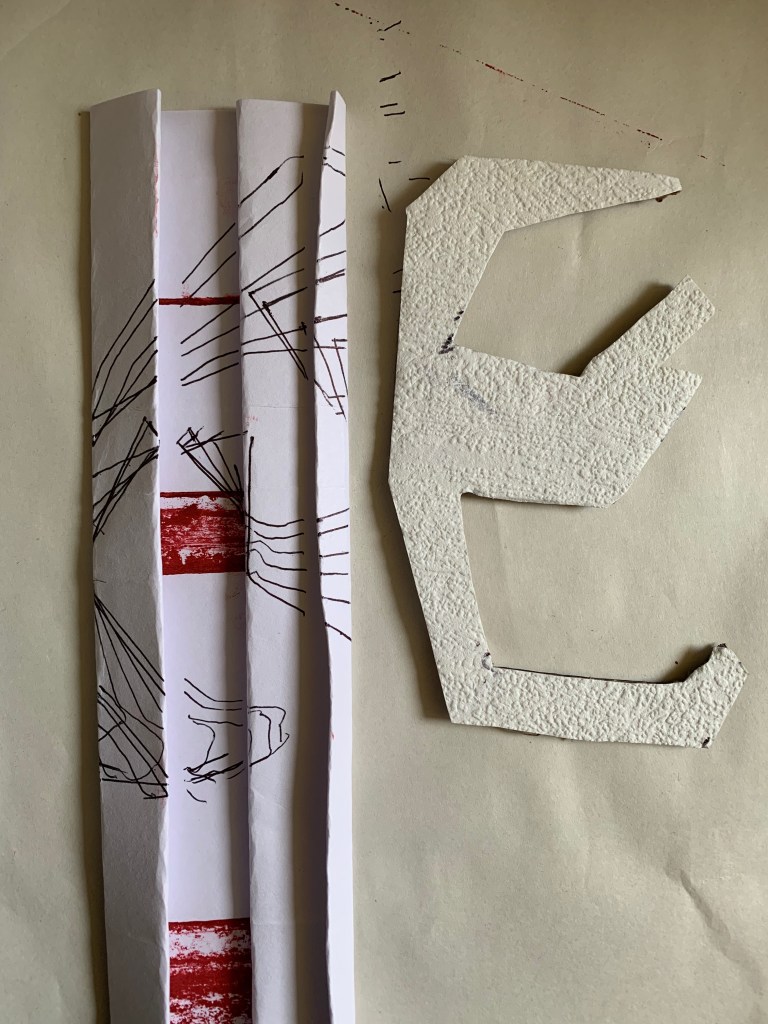
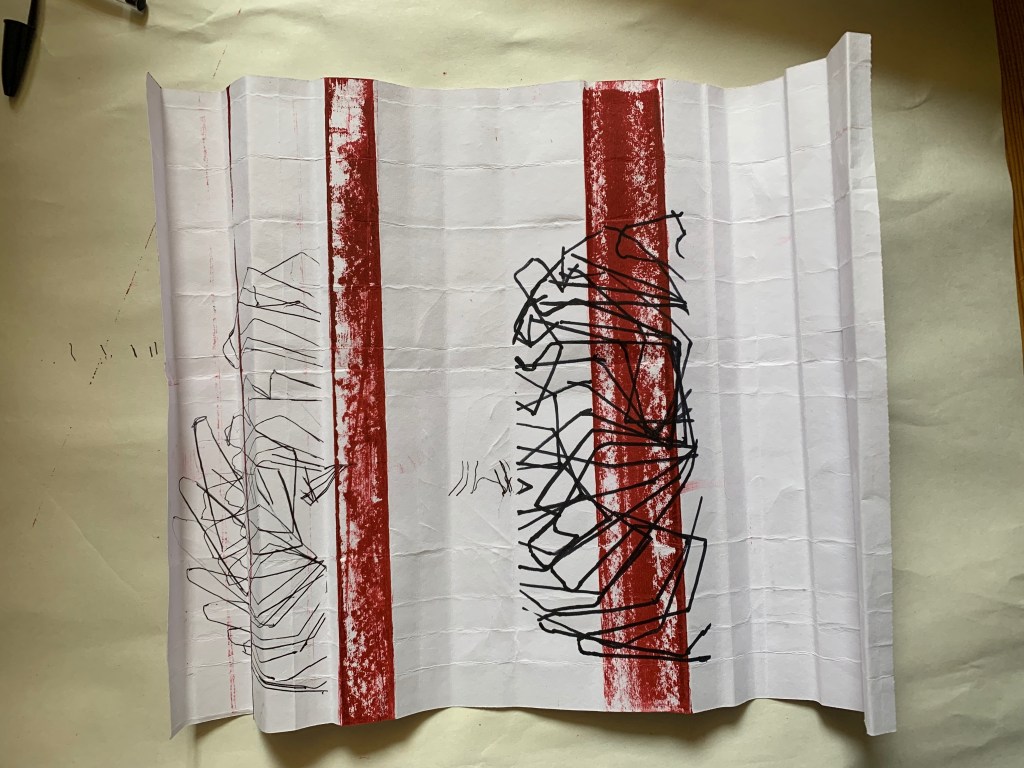
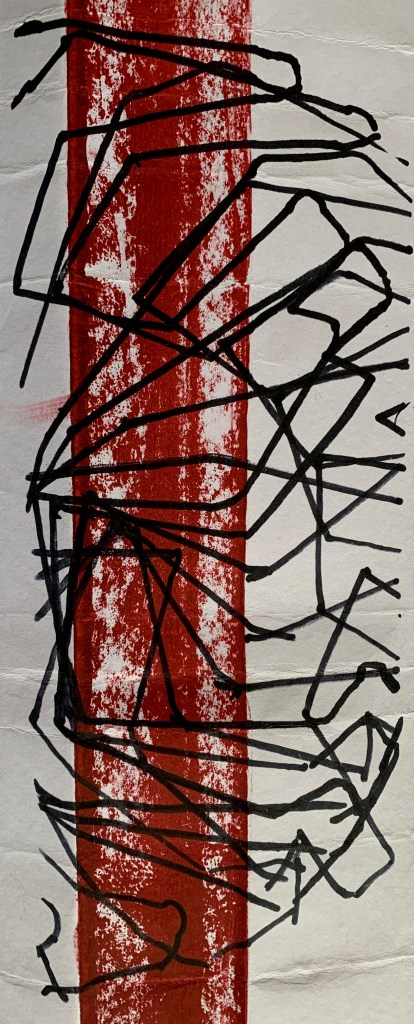
Folded cartridge paper over inked plateStencil used to mark over the folded paperFinished print unfolded Print detail
I wanted to test other materials for my folded prints which would allow them to stand up and be displayed on the floor. This worked really well in the critique pictured below. If I was going to make the print again, I would look to a thicker material such as card, I would still be able to fold the material and would also aid the standing up of the print. The stencil used itself has a sculptural quality and makes me reflect how these elements could be used in my work. Could I cut a number of these and stack them up like a sculpture? I feel I am probably veering away from my concept but enjoy the possible directions my work can take me in.
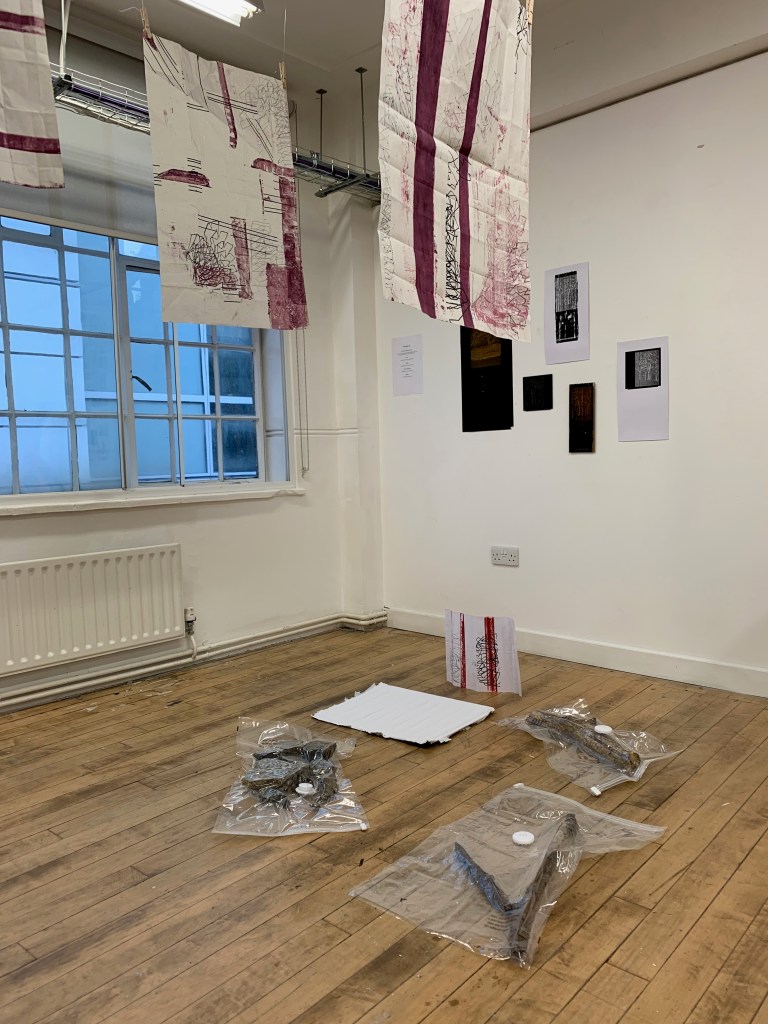
Floor view of displayed work for silent critique Exhibition for silent critique
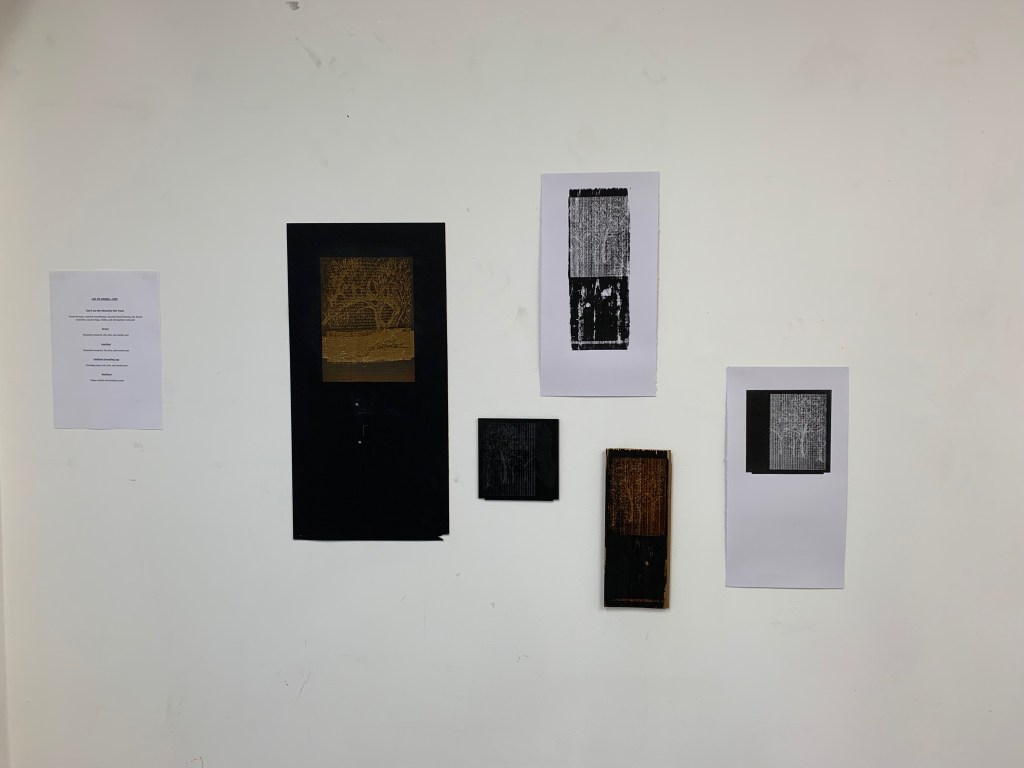
The opportunity to show my initial pieces of work for my silent critique was daunting and exciting at the same time. I took the opportunity to create a mini exhibition of my work so far. This allowed me to see how the work interacted with the studio space and made me consider titles for my work. Having the three display elements worked well together and allowed my peers to navigate and interact with the work as intended. I deliberately placed the titles for the work to the rear of the display to entice the viewers to walk through the exhibition and lead them to the works displayed on the wall. The prints I displayed on the wall were not presented as editions but exhibited in juxtaposition with the plates that made them. The plates are a work in their own right, with the largest plate being displayed without any prints relating to the object being shown.
Prints displayed
LIST OF WORKS – CRIT
Can’t see the Wood for the Trees
Found Perspex, recycled mountboard, recycled wood flooring, ink, found branches, vacuum bags, rubble, and atmosphere removed

 Marco Carofalo ART
Leave a comment